
Give the shot a job
Begin with what the shot needs to do in the film. An establishing view introduces a place. A close-up directs attention to an expression or action. A moving camera can reveal something that a static view cannot.
Slowpoke accepts direction about action, camera, lighting, mood, and continuity, with optional references. A focused shot brief gives those choices a common purpose.
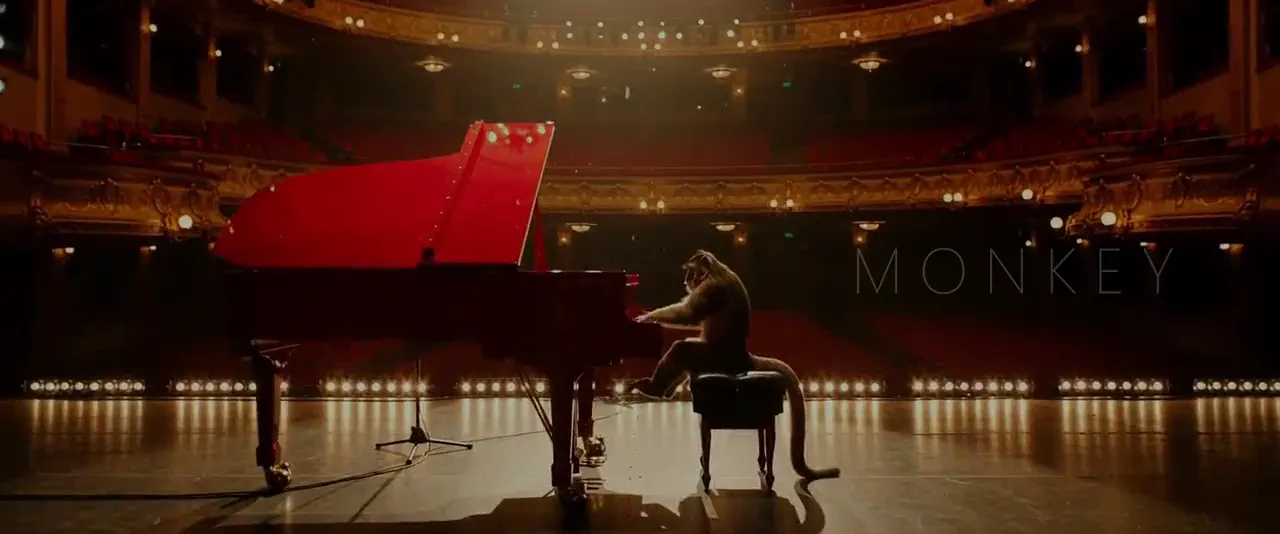
Choose the frame for the destination
The studio offers vertical, standard, and cinematic framing. A phone-first vertical composition asks different things of a subject and camera than a wide movie frame.
References can help establish the subject, look, or starting image. Keeping them attached to the work makes it easier to return to the same visual intention when another take is needed.
Let production happen alongside the edit
Once submitted, a queued job continues independently of the open tab. That creates a useful rhythm: direct the work, move to another production task, and return to review the completed footage.
Waiting time depends on demand and the job. The studio displays its current choices and prices before submission; this project site leaves those changing details with the service itself.
Review for the sequence
Judge a result against the shot’s purpose, and against the shots it will sit beside. A striking image can still need another take if the action, screen direction, or subject no longer belongs to the scene.
Keep useful footage in the library. The next step can be a new shot, a continuation, a change of reference, or the edit that turns separate results into a film.